


Overview
How do you design AI for people who take scripture seriously?
Rebind is a reading platform for the Bible and philosophical books. I designed it with Kyle, our design lead. We split the product between us: I owned the Library, Reflection, Audio Player and Web Sharing, and we reviewed each other's work together.
Research
Talking to readers before launch, and again a year in.
Structure
Finding where AI belongs in a product about reading.
Design and ship
Owning four core features, from first sketch to release.
Problem:Generic AI turns study into a Q&A loop.
The brief asked for something that felt nothing like ChatGPT with a Bible skin. Our readers don't skim. They sit with a passage, question it and want to leave with something that matters.
Generic AI works against that. You ask, it answers, you close the app, and nothing pulls you deeper.
Opportunity:Reading deeply, with AI at the right moments.
Three ways in
People come to chat and explore, to follow a reading plan, or to open the Bible at a chapter. None of them could be buried.
A curator, not an author
The AI points to the Bible, Rebind's articles and expert texts, then explains them. It doesn't make things up on its own.
Thinking you can see
People see what the AI is doing, where an answer came from and when it isn't sure.
Introducing Rebind, with RAIA beside you as you read.
RAIA is Rebind's AI. Rather than living on its own chat screen, it shows up where you need it: while you read, while you reflect and inside small widgets across the app.
Genesis 1:16–18
And God made two great lights; the greater light to rule the day, and the lesser light to rule the night: he made the stars also. And God set them in the firmament of the heaven to give light upon the earth, And to rule over the day and over the night, and to divide the light from the darkness: and God saw that it was good.
Genesis 1:16–18
Start a conversation with RAIA
Reflect on Genesis 1:16–18
Genesis 1:16–18
Me
What does it mean for the lights to “govern” day and night?
Raia Rebind AI Assistant
It’s a complex idea, let me consult the literature…
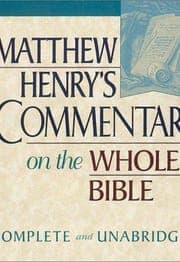
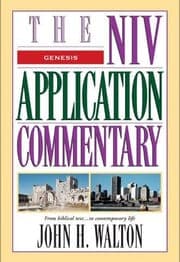
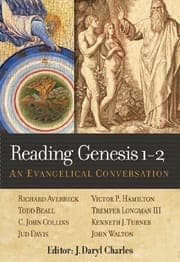
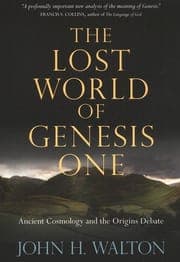
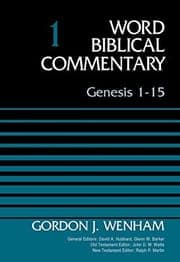
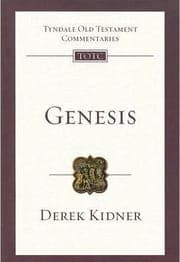
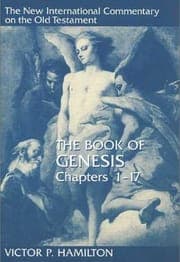
Searching the Bible and trusted sources
- Searching BiblePsalm 136:7–9
- Checking articles3 sources
- Reviewing trusted sources2 sources
Reading Gordon J. Wenham, Genesis 1–15…
Searched the Bible and trusted sources
“Rule” here doesn’t mean the lights are in charge. Matthew Henry reads it as service: they govern by giving light.
Now these lights are said to rule (v. 16, 18); not that they have a supreme dominion, as God has, but they are deputy-governors, rulers under him.
The best and most honourable way of ruling is by giving light and doing good.
 Matthew Henry
Suggested Replies:
Playing a demo
Core flows
- [Read with RAIA: /images/rebind/flow-reader.png]
Read with RAIA
Ask about a passage and get an answer built from cited sources you can open.
- [Reflect, in writing or out loud: /images/rebind/flow-reflection.png]
Reflect, in writing or out loud
Capture your own thinking after a reading, typed or recorded.
- [Study paths: /images/rebind/flow-plans.png]
Study paths
Plans that gather passages and resources around what you want to understand.
- [Share a passage: /images/rebind/flow-sharing.png]
Share a passage
Send a passage to a friend, even if they don't use Rebind yet.
- [Listen on the go: /images/rebind/flow-audio.png]
Listen on the go
Play articles while you walk or commute.
Research
What people asked for wasn't what we planned to build.
We interviewed readers before launch, and ran a voice-of-customer study with 11 people early in 2026. I shaped the questions and led the synthesis with Kyle.
The team's first idea was for RAIA to put together Bible plans from what it knew about each person. The interviews pointed somewhere else. People wanted to study meaningfully and go deep, and they wanted help doing that more than they wanted another plan.
Key insights
Insight 1
Depth over plans.
People wanted help understanding a passage, not just a schedule for reading it.
Insight 2
When AI answers, people stop looking.
Once AI answered a question, almost nobody went back to the text. "I'll just save that prayer and I will pray that prayer whenever I feel that way."
Finding the structure
AI is core, but it isn't the centre.
Our first home screen put RAIA front and centre. The PMs pushed back, and they were right. Rebind is about reading deeply with AI's help, so RAIA left the home screen and moved to the moments where it helps.
The navigation settled on Home, Reader, Library and Notes, where Notes holds your reflections and saved passages. Our first mobile nav copied the web app, profile tab included. Testing showed people rarely needed their profile day to day, so it moved into Home. A Groups section waited for a later release.
Prototyping and testing
Prototyping in code to find the right answer length.
Kyle and I built prototypes in Cursor and Claude Code. One was a tool for collecting and synthesising our research transcripts. Another tested how long RAIA's answers should be. The finding: depth depends on the moment. A quick question wants a short answer, and a study session wants a long one.
Reflection, version two.
The first Reflection screen had the passage on top and two tabs below: Reflect, with a carousel of prompts, and Discuss with RAIA. It wasn't very usable, and the carousel's button was easy to miss. Version two brought it into one clearer screen and added voice reflections, so people could think out loud instead of typing.
Design decisions
Insight 1: Depth over plans
RAIA curates, then explains
RAIA gathers passages, Rebind articles and expert texts around a question, then explains them. Building plans became one part of its job.
Plans became study paths, and they're yours to change
RAIA drafts a study path, but nothing starts until you approve or edit it. Reflection prompts it suggests can be edited or dismissed.
Genesis 1:16–18
Raia Rebind AI Assistant
“Rule” here doesn’t mean the lights are in charge. Matthew Henry reads it as service: they govern by giving light.
Now these lights are said to rule (v. 16, 18); not that they have a supreme dominion, as God has, but they are deputy-governors, rulers under him.
The best and most honourable way of ruling is by giving light and doing good.
Matthew HenrySuggested Replies:
Genesis 1:16–18
Me
What does it mean for the lights to “govern” day and night?
Passages about the lights of day and night
The sun to rule by day: for his mercy endureth for ever:
The moon and stars to rule by night: for his mercy endureth for ever.
Psalm 136:8–9
He appointed the moon for seasons: the sun knoweth his going down.
Psalm 104:19

The heavens declare the glory of God; and the firmament sheweth his handywork.
Day unto day uttereth speech, and night unto night sheweth knowledge.
Psalm 19:1–2
Recasts about the lights of day and night
Show Suggested Questions
Genesis 1:16–18
Me
I see that the lights rule the day and the night. Most mornings it feels like my day rules me instead.
Raia Rebind AI Assistant
Maybe that’s the point: the rhythm of the day was set before you woke up. You don’t have to hold it together. You wrote about this in one of your reflections.
From your Notebook
… I was checking my phone before I had even prayed. On the walk to work the sky was turning pink, and it hit me that the day was already in order. I don’t have to run it, just walk in it….
Reflection on Psalm 19:1
Playing a demo
Insight 2: When AI answers, people stop looking
Every answer points back to the text
Answers carry inline citations and source cards. Tap one and you land on the passage in the Reader, or in the article.
Show the work, admit doubt
While RAIA works, a status line says what it's doing: searching the Bible, checking articles, reviewing trusted sources. You can expand the steps it took. When it isn't sure, it says so and points you to sources rather than guessing, and you can flag a bad answer.
Genesis 1:16–18
Me
What does it mean for the lights to “govern” day and night?
Raia Rebind AI Assistant
It’s a complex idea, let me consult the literature…
Searching the Bible and trusted sources
- Searching BiblePsalm 136:7–9
- Checking articles3 sources
- Reviewing trusted sources2 sources
Reading Gordon J. Wenham, Genesis 1–15…
Playing a demo
Memory that understands context
I also designed how RAIA learns about the people it helps. Picture a father who often explains verses to his young child at the park. Over time RAIA learns there's a good chance his questions are for that conversation, and it answers with that in mind. People can see what RAIA has learned, edit it and undo anything new.
Constraints
Free readers could only share a few passages a month.
Web Sharing lets you send a passage to a friend, and free accounts had a monthly limit. So each share had to count.
- What does the friend see?
- The full passage, so they get something worth reading even if they never sign up.
- What brings them in?
- A panel under the passage invites them to sign up and read five articles a month.
There are fewer shares, but each one can bring in a new reader.
What the research said next
The study raised a harder problem. Newer users thought AI was fair: "It feels like there's no bias in it." Experienced users knew it mostly agreed with them: "It's like the yes person." One participant had started asking AI to argue the other side, just to test his own thinking.
That pointed Rebind toward answers that leave something to explore, and toward showing tension on contested questions instead of smoothing it over. My contract ended before those were built, but the research made the case for them.
Reflection
What I learned
Ask what the person is trying to do. Eleven interviews changed how I look at a product. I stopped asking what a screen should do and started asking what someone needs when they open the app.
Good AI keeps the question open. When the answer closes, curiosity closes with it. Most AI products behave like that today. The best thing RAIA could do was send people back to the text.